

















Artificial Intelligence
Build products that use AI: language models, computer vision and AI agents that do real work.
- Python
- LLM apps
- Computer vision
- AI agents
- Cloud deployment
Roles: AI engineer, AI product developer
Four years at a partner campus in Bangalore. The degree from the partner university, the skills from people who work in industry, and projects from the first semester.

Our mentors work, and have worked, at
The first two years build the base every engineer needs. In the third year you choose your track.
Build products that use AI: language models, computer vision and AI agents that do real work.
Roles: AI engineer, AI product developer
Train, test and ship models on real data, and keep them working once they are live.
Roles: ML engineer, Data scientist
Protect systems and find the weak spots before attackers do.
Roles: Security analyst, Penetration tester
The Fusion industry modules for all eight semesters, taught alongside the subjects of your university degree. Open a module to see its topics and what you build.
Programming in Python, the web and Git. You ship your first live app.
By the end of year 1: You can build a small web app and put it online.
You buildA personal expense trackerFSD-101, Programming basics
You buildA quiz app for your classFSD-102, Front-end basics
You buildA live scoreboard for your college cricket tournamentFSD-103, Databases
You buildA class project run like a real team, with tickets, sprints and reviewsFSD-104, Tools of a software team
Backend, databases, data and machine-learning basics. Internship opportunities begin.
By the end of year 2: You can build the back end of a real app and train a simple model.
You buildThe ordering backend of a food-delivery style appFSD-201, Backend programming
You buildA price tracker that alerts you when prices dropFSD-202, Front-end programming
You buildA public problem-solving profile you keep adding toFSD-105, Competitive programming
You buildA report with charts on a real public datasetAML-101, Mathematics and Python for AI and ML
You buildA movie recommender trained on real ratingsAML-102, Machine learning and data preparation
Choose AI, ML or cyber security, and take on bigger projects with your mentor.
By the end of year 3: Your work in your track looks like a professional’s.
You buildA written design for a photo-sharing app, defended in a reviewFSD-203, System design
You buildAn image classifier trained on photos you collectAML-202, Deep learning fundamentals
You buildA model that scores loan applications, checked for biasAML-103, Applied machine learning and model evaluation
You buildA map of a practice network: what is open, and what is at riskCYS-103, Introduction to penetration testing
You buildYour food-delivery backend, running in containers in the cloudFSD-204, Site reliability engineering
You buildA study assistant that answers from your own notesAML-301, AI electives: language, vision and reinforcement learning
You buildA model that predicts demand for a local storeAML-201, Advanced machine learning techniques
You buildA security review of a test web app, with a fix reportCYS-202, Application security and secure coding
An industry internship, your portfolio, and placement season.
By the end of year 4: You are ready for your first job.
You buildA model deployed for real users, with monitoringAML-302, Production deployment and MLOps
You buildSecurity checks added to a real deployment pipelineCYS-302, Cloud security and DevSecOps
You buildA capstone on a problem from a real companyAML-303, Capstone project and career readiness
You buildA security capstone on a problem from a real companyCYS-303, Capstone project and career readiness
You buildYour internship work, shown in a final demoIndustry internship
You buildYour portfolio and GitHub, reviewed by mentorsPlacement preparation
The plan for 2027. Module codes are Fusion School’s own. The university’s subjects, credits and exams are published with the partner campus.
Representative video.
Rate five movies and watch a recommendation system work out what you should see next. It takes about ten minutes, needs no sign-up and works on your phone.
The first thing parents ask us, in four plain answers.
They teach, review your code and help you choose your track.
Cloud Engineering, Oracle
RVCE Bengaluru
Before:AtlassianAmazon
LinkedIn profile of Animesh Singh

UI/UX Designer, Workday
TU Dublin, Ireland
Before:Personio
LinkedIn profile of Sumit Narang
Software Engineer, Weave
PES University
Before:Quartic.aiGE
LinkedIn profile of Kishan Kishore
SDE, Cashfree Payments
RVCE Bengaluru
Before:JivoxCA Technologies
LinkedIn profile of Raghav Rastogi
Software Engineer, Snaptrude
RVCE Bengaluru
Before:CopilotOlivAI
LinkedIn profile of Akash ShakdwipeeaPreparation starts in your first year, not your last.
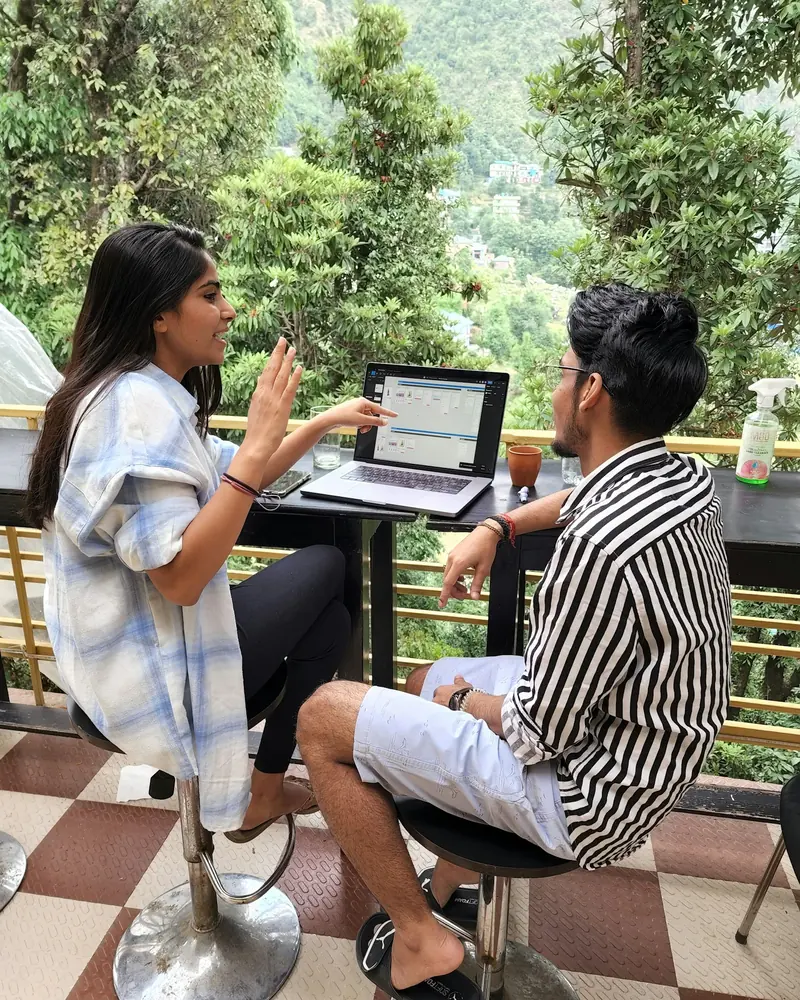
We do not promise a job, and no honest college can. We do promise the training, the reviews and the introductions.
Students who have passed, or are taking, class 12 with Physics and Mathematics. The exact eligibility follows AICTE and partner university rules. Everyone takes the Fusion Admission Test and the video interview.
Pick a programme and answer one question. The answer comes from our admission rules.
Yes, you can apply
The B.Tech in CS and AI is for students who have passed class 12 with Physics and Mathematics. The exact eligibility follows AICTE and partner university rules.
You can apply while you are in class 12
If you are taking Physics and Mathematics in class 12, ask our team about applying. Online registration is not open here yet. The exact eligibility follows AICTE and partner university rules.
The B.Tech needs Physics and Mathematics
The B.Tech in CS and AI is for students with Physics and Mathematics in class 12; the exact eligibility follows AICTE and partner university rules. If your subjects were different, ask us about your case. The Fusion Micro Degree is open to students of any college and any course.
Yes, you can apply
The MBA in AI is open to any graduate, of any stream. Women applicants get additional points in the admission score.
Ask us about applying now
The MBA in AI is open to any graduate. You are in your final year, so ask us how to apply for 2027 before your degree is complete.
The MBA is for graduates
The MBA in AI is open to any graduate. If you are in class 12 with Physics and Mathematics, the B.Tech in CS and AI may fit. If you study at a college now, the Fusion Micro Degree runs alongside your degree.
Yes, you can join
The Fusion Micro Degree is open to any student at any college in India: B.Tech, B.E., MBA, MCA, M.Tech and other courses. Already in your second year or later? You join for the years you have left.
Source: Micro Degree questions
You can join once you start college
The Micro Degree runs alongside a college degree. If you are taking class 12 with Physics and Mathematics, you can apply for the B.Tech in CS and AI now.
Source: Micro Degree questions
The Micro Degree is for students
It runs alongside a college degree, for students who are still studying. As a graduate, you can apply for the MBA in AI.
Source: Micro Degree questions
Classes happen on the partner campus, during college hours. Each campus has its own page with its facilities, hostel rooms and fees.
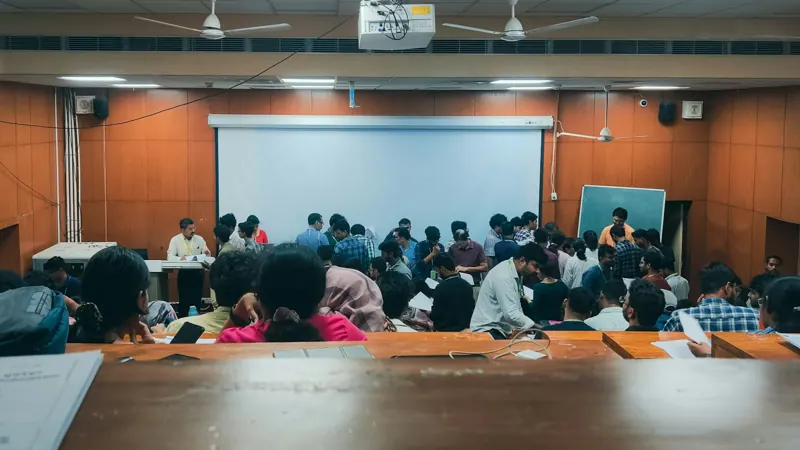 Classes
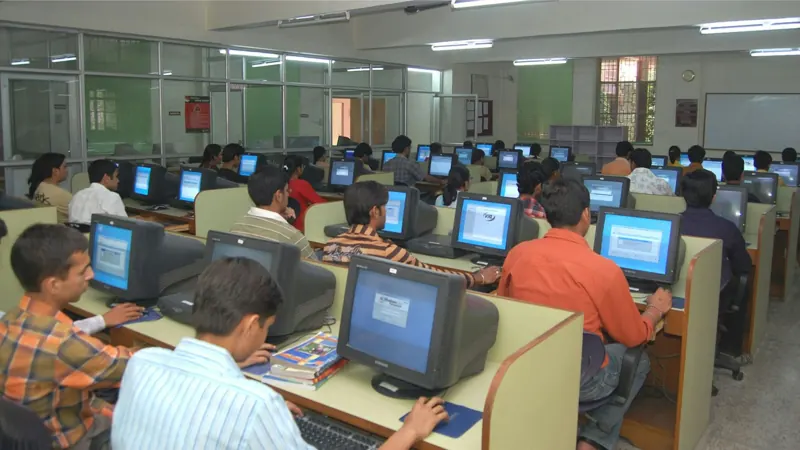 Computer labs
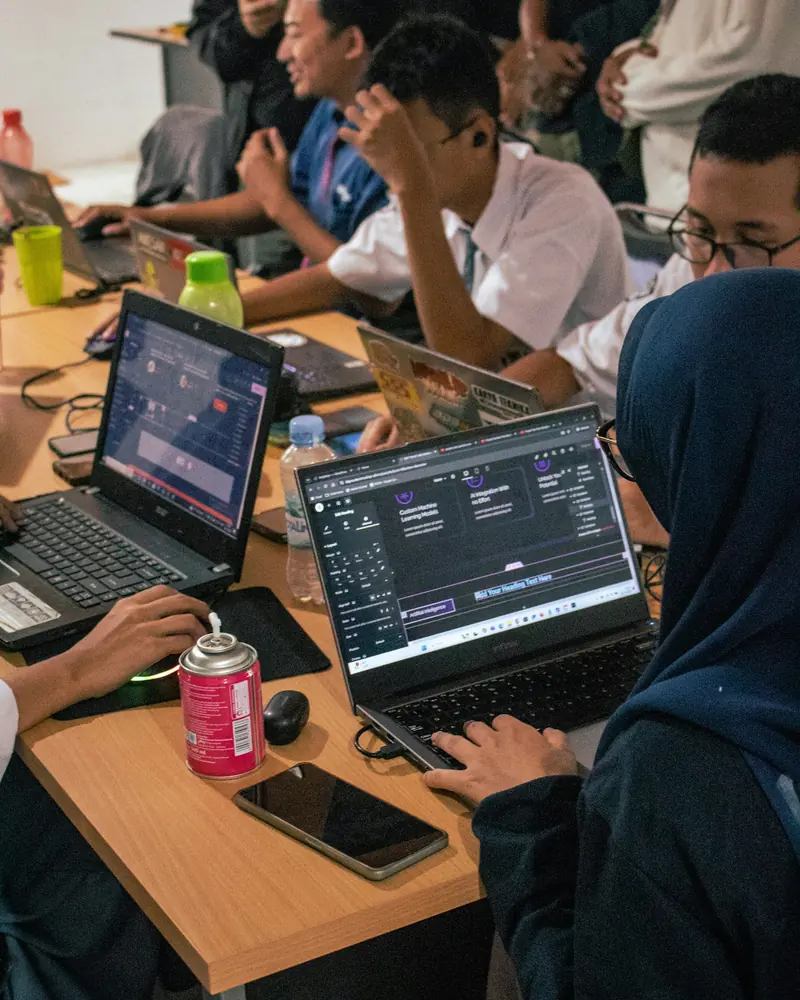 Projects and hackathons
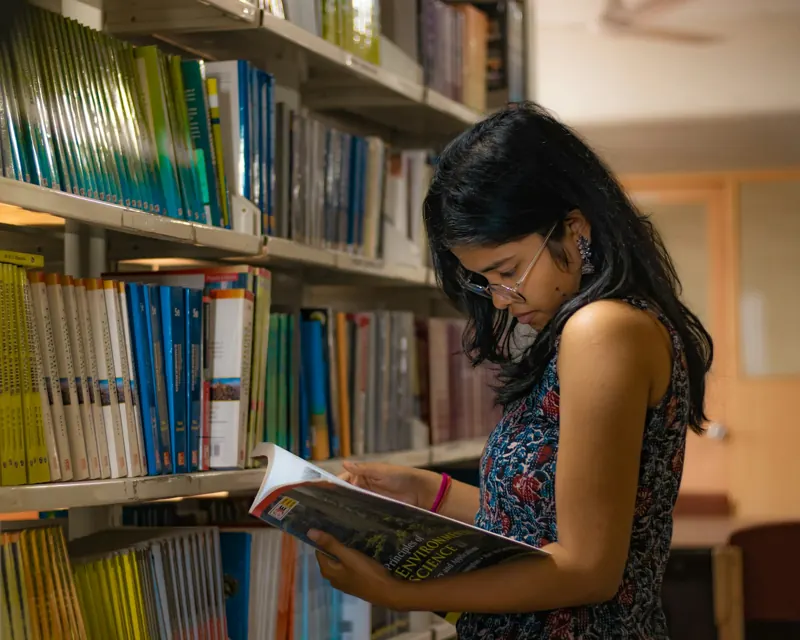 Library
 Hostel rooms
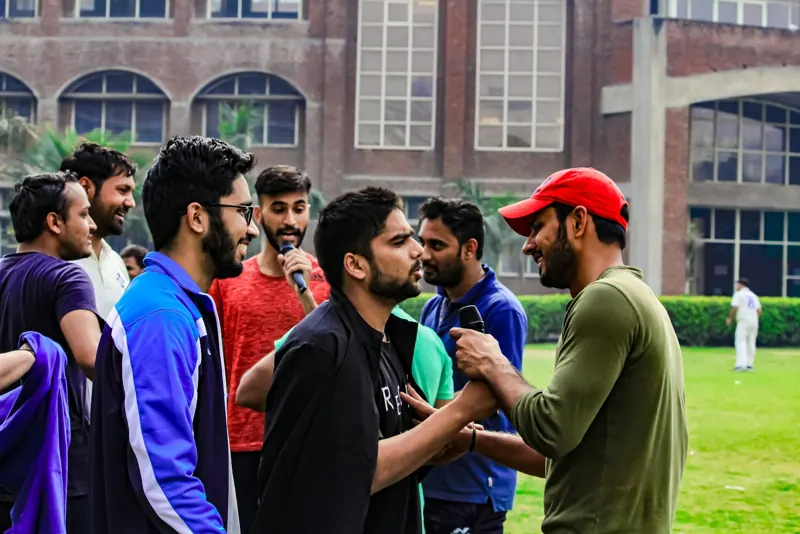 Sports and friends
Representative photos.
Fees are published with each partner campus, in the same layout for every campus.
Only the free practice test is available here. Admissions registration, interviews and official scoring are not open on this website.
The practice test at a glance
The partner university awards the B.Tech or MBA, and your college is affiliated to it. Fusion School runs its industry programme inside that college and supports your placements.
On the partner campus in Bangalore, during college hours. Some mentors teach live from other cities or countries.
Ask our team about the official admissions process. This website currently offers practice only: registration, official testing and video interviews are not open here. A practice score is not an application or an offer.
Students who have passed, or are taking, class 12 with Physics and Mathematics. The exact eligibility follows AICTE and partner university rules.
Every student gets interview training, mock interviews, resume and portfolio reviews, and introductions to companies. We do not promise a job, and no honest college can.
Internship opportunities start in the second year. Placement season is in the final year.
B.Tech and MBA fees are published with the partner campus, along with scholarships and help with education loans.
Yes. You graduate with a regular B.Tech or MBA from the partner university.
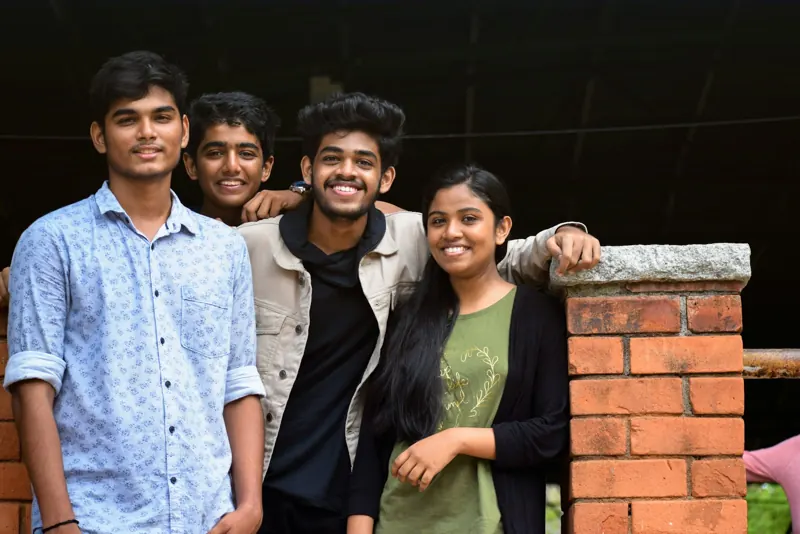
Explore Admissions 2027, Bangalore. Try the free practice test; registration is not open here yet.